

Sign In Join Free
1 / 3
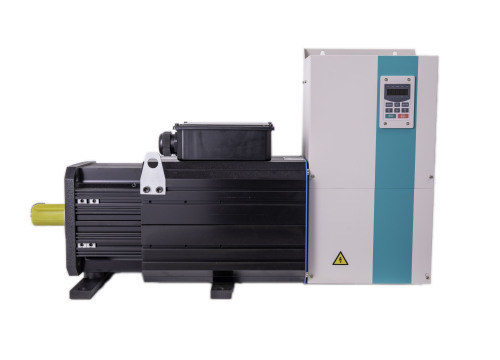
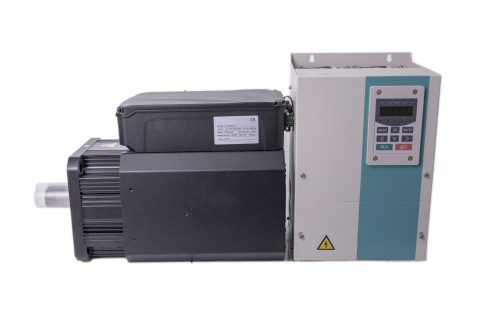
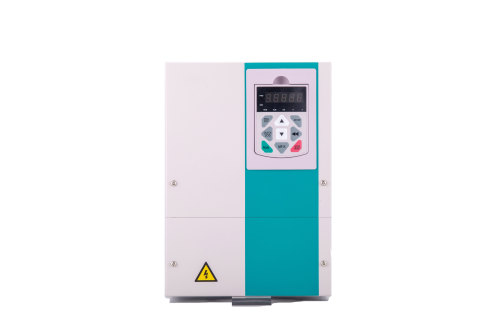
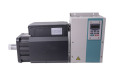
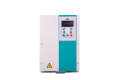
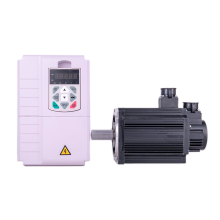
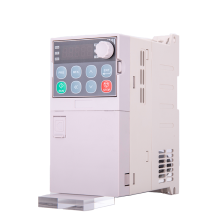
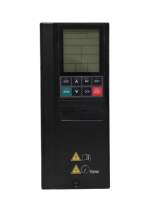
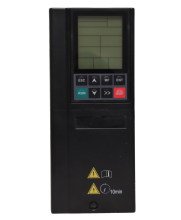
Efficient Servo Drive System for Hydraulic Applications
$440.00
≥1 Set/Sets
$418.00
≥10 Set/Sets
$396.00
≥100 Set/Sets



Basic Info
| Model No. | S600N037 |
|---|---|
| Brand Name | RSI/OEM |
| place of origin | China |
| Voltage | Three-phase 380VAC |
| frequency | 50/60Hz |
| Voltage range | 340~456VAC |
| Rated power | 18.5KW |
Product description
Efficient Servo Drive System for Hydraulic Applications: Precision, Energy Savings, and Control with Servo Drives for Injection Molding Machines, Electro-Hydraulic Systems, Vector VFD and Frequency Inverter?
Hydraulic systems are the backbone of heavy-duty industrial applications, from injection molding to heavy machinery. However, traditional hydraulic systems often suffer from energy inefficiency, limited precision, and high maintenance costs. An ?efficient servo drive system? combining ?servo drive for injection molding machine, ?electro-hydraulic servo drive, ?vector VFD (Variable Frequency Drive)?, and ?frequency inverter? addresses these challenges, delivering unmatched precision, energy efficiency, and adaptability. This guide explores the technology, benefits, and applications of these advanced systems.
How Efficient Servo Drive Systems Work?
An efficient servo drive system integrates servo motors, hydraulic actuators, and intelligent power electronics to precisely control hydraulic pressure, flow, and motion. Unlike conventional hydraulic systems that rely on fixed-speed pumps and manual valves, these systems use ?vector VFDs? and ?frequency inverters? to dynamically adjust motor speed and torque, optimizing energy use and process accuracy.
?Key Components?
- ?Servo Drive for Injection Molding Machine:
- Controls hydraulic parameters (pressure, speed) to ensure consistent mold filling, cooling, and ejection.
- Enables multi-stage injection processes with microsecond-level responsiveness.
- ?Electro-Hydraulic Servo Drive:
- Combines servo motor precision with hydraulic actuation power for high-force, high-speed applications.
- Uses closed-loop feedback to minimize overshoot and mechanical stress.
- ?Vector VFD:
- Regulates servo motor speed and torque via closed-loop vector control, decoupling torque and speed for dynamic adjustments.
- ?Frequency Inverter:
- Modulates input power to the servo motor, enabling soft-starts, regenerative braking, and energy recovery.
echnical Advantages?
?1. Energy Efficiency?
- ?Variable Speed Control: ?Vector VFDs? adjust motor speed to match hydraulic demand, reducing energy waste by up to 60% compared to fixed-speed systems.
- ?Regenerative Braking: Captures kinetic energy during deceleration and feeds it back to the grid.
- ?Applications:
- Injection molding machines with frequent cycle changes.
- Hydraulic presses requiring variable force output.
?2. Precision and Responsiveness?
- ?Closed-Loop Feedback: Sensors monitor pressure, position, and speed, enabling real-time corrections (±0.01 mm accuracy).
- ?Vector Control: Achieves rapid torque response (<10 ms), critical for high-speed injection molding and multi-cavity molds.
- ?Applications:
- Medical device manufacturing (e.g., syringe molding).
- Automotive parts production (e.g., engine components).
?3. Reduced Mechanical Stress?
- ?Soft-Start Capabilities: Gradually ramps up hydraulic pressure to prevent shock on molds and machine components.
- ?Adaptive Control: Adjusts parameters to compensate for material variations (e.g., different plastics or colors).
Applications in Hydraulic Systems?
?1. Injection Molding Machines?
- ?Servo Drive for Injection Molding: Controls screw speed, barrel temperature, and holding pressure to optimize melt quality and cycle time.
- ?Electro-Hydraulic Servo Drive: Ensures uniform clamping force and reduces flash defects.
?2. Hydraulic Presses?
- ?Vector VFDs: Regulate press speed and force for deep-drawing, stamping, and assembly operations.
- ?Frequency Inverters: Enable energy-efficient operation during low-load phases.
?3. Mobile Hydraulic Equipment?
- ?Efficient Servo Systems: Power excavators, cranes, and agricultural machinery with adaptive load sensing for fuel savings.


Efficient Servo Drive System for Hydraulic Applications
$440.00
≥1 Set/Sets
$418.00
≥10 Set/Sets
$396.00
≥100 Set/Sets
Send your inquiry to this supplier
You may also be interested in
Product Categories


Product Alert
Subscribe to your interested keywords. We will send freely the latest and hottest products to your Inbox. Don't miss any trade information.
Your use of this website constitutes acknowledgement and acceptance of our Terms & Conditions.
Copyright ? 2009-2026 Bossgoo Co., Ltd. All rights reserved.
